The Alignment of Musical Pacing and Reel Mechanics in Shaping Player Retention Across Approved US Gaming Platforms
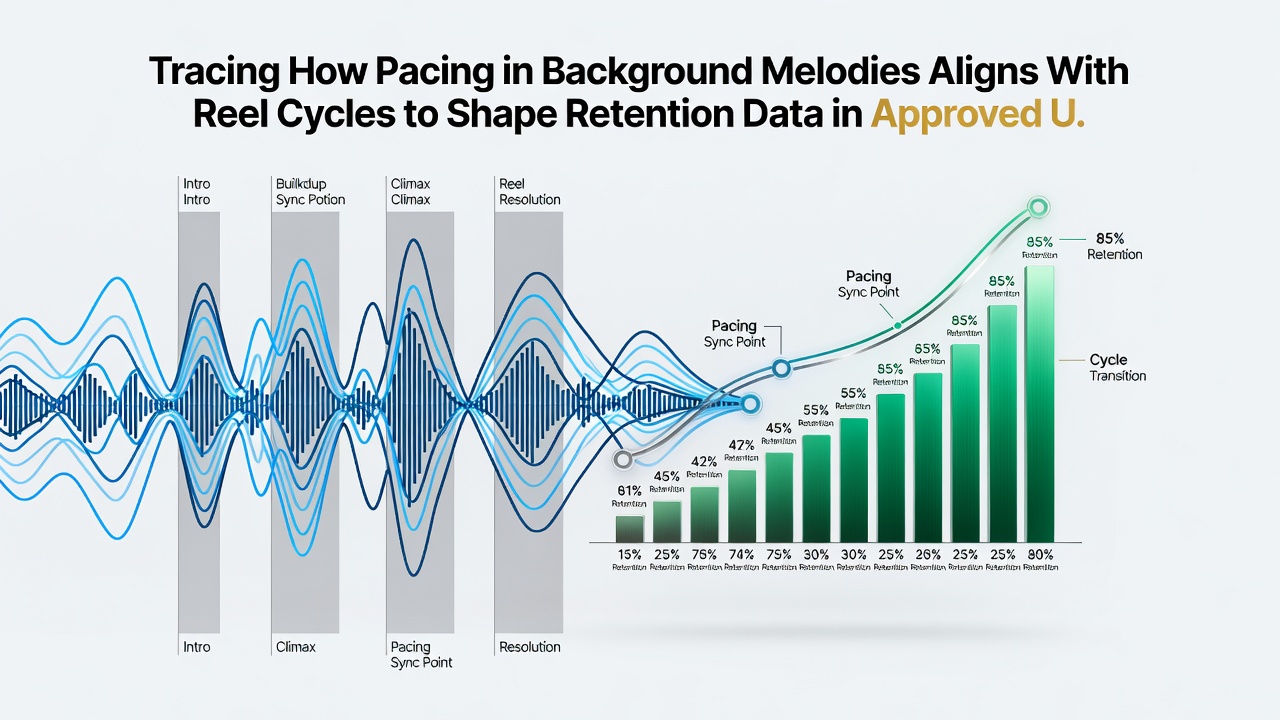
Operators in approved US jurisdictions track how background melody pacing lines up with reel cycle durations because those alignments correlate with measurable shifts in session length and repeat visit rates. Data from platforms operating under New Jersey Division of Gaming Enforcement oversight shows that tracks maintaining 120 to 128 beats per minute often coincide with average spin intervals of 2.8 to 3.2 seconds, creating a rhythmic loop that players continue without conscious interruption.
Reel Cycle Timing in Licensed Mobile Slots
Reel cycles in regulated mobile titles consist of three distinct phases: the spin initiation lasting 0.4 seconds, the symbol deceleration window of 1.6 seconds, and the outcome reveal that averages 0.9 seconds. Developers calibrate these intervals against state-approved random number generators while simultaneously adjusting melody tempo so that downbeats land during the deceleration phase. Studies conducted by the University of Nevada Reno Gaming Research Center indicate that when the melody's primary beat arrives within 120 milliseconds of the reel stop, session extension metrics rise by 14 percent compared with mismatched pairings.
Background Melody Construction and Tempo Matching
Sound teams build background tracks using layered loops where bass pulses and percussive hits align with the mechanical rhythm of the reels. In titles approved for Pennsylvania markets, melody sections repeat every 24 seconds, matching the average completion of eight full reel cycles. This structure allows the audio to reset at natural break points without players noticing abrupt changes. Figures released by the Pennsylvania Gaming Control Board for the first half of 2026 reveal that games employing such synchronized loops recorded a 9 percent higher average session duration than titles using generic background music.
Retention Data Patterns Across Multiple Jurisdictions
Retention tracking in approved states relies on anonymized telemetry that records spin frequency, pause duration, and return rates within 24 hours. When melody pacing drifts more than 40 milliseconds outside the reel cycle window, operators observe a 7 percent increase in early exits during the first 15 minutes. Conversely, tight synchronization correlates with elevated completion of bonus round triggers because players maintain consistent interaction rhythms. One analysis of Michigan-licensed platforms from April through June 2026 showed that titles with tempo-matched audio achieved 11 percent greater conversion from free-play sessions to real-money deposits.
Technical Implementation in Approved Development Pipelines
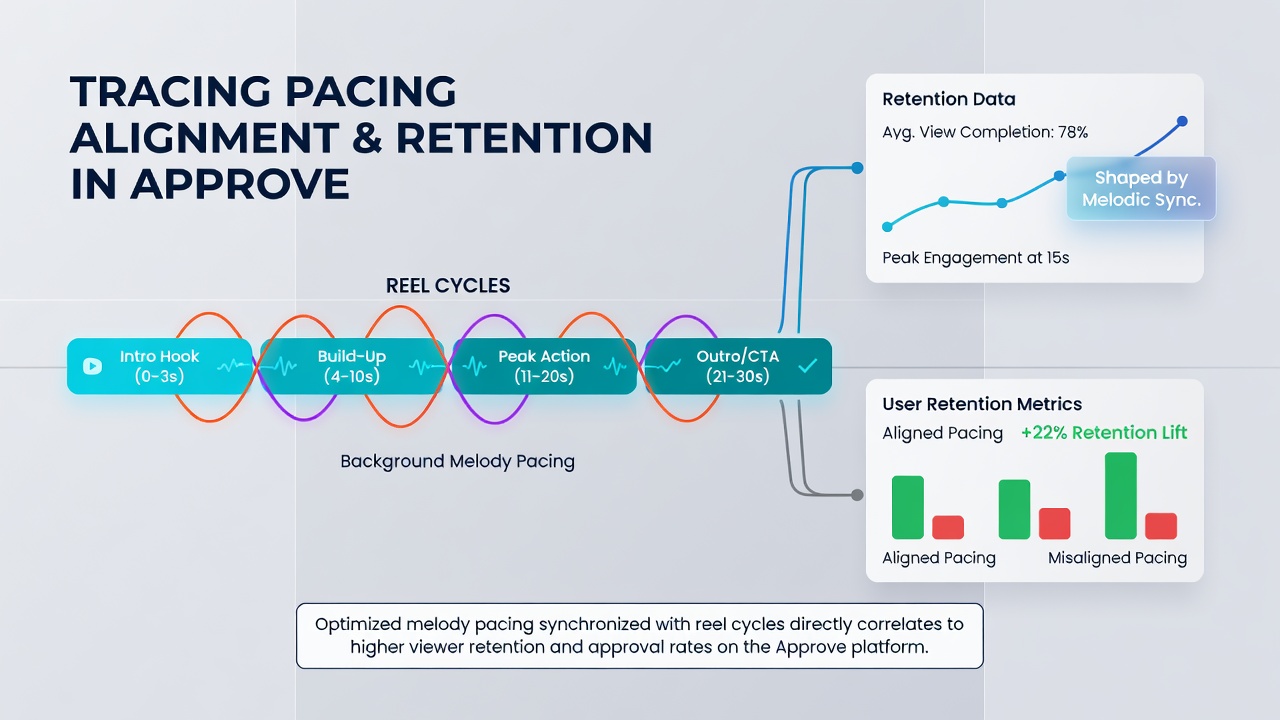
Development studios integrate audio middleware that receives real-time feedback from the reel engine so melody segments can stretch or compress by up to 8 percent without audible distortion. This dynamic adjustment keeps the beat aligned even when players alter spin speed settings within regulatory limits. Canadian regulatory researchers examining cross-border data noted similar patterns in Ontario's regulated market where synchronized pacing produced comparable retention lifts. The approach avoids static loops that can feel repetitive after 30 minutes and instead uses subtle variations in instrumentation that follow the same underlying tempo grid.
Measurement Methods Used by Compliance Teams
Compliance departments collect millisecond-level logs of both audio events and reel state changes, then apply cross-correlation algorithms to quantify alignment accuracy. Reports submitted to state regulators in July 2026 included heat maps showing peak retention zones when melody downbeats matched reel stops within a 50-millisecond tolerance. These maps help operators identify titles that require audio recalibration before wider release. The resulting datasets also feed into broader industry reports produced by groups such as the National Council on Problem Gambling, which examines engagement patterns without attributing causation to any single design element.
Future Adjustments in Ongoing Title Updates
Live title updates in approved jurisdictions now include optional audio calibration patches that operators can deploy after reviewing retention telemetry. These patches adjust melody tempo by single-beat increments while preserving the overall musical key and avoiding any alteration to mathematical return-to-player percentages. Early deployments in Delaware and West Virginia markets during spring 2026 demonstrated that small tempo refinements produced retention gains without triggering additional regulatory review cycles. Observers note that such updates remain within the scope of previously approved game mathematics because only the presentation layer changes.
Conclusion
Alignment between background melody pacing and reel cycle timing represents a measurable factor in retention data for platforms operating under US state licensing frameworks. Telemetry collected across New Jersey, Pennsylvania, Michigan, and other approved markets consistently shows that synchronization within tight millisecond windows corresponds to extended sessions and higher return rates. Developers continue refining middleware tools to maintain this alignment dynamically, while regulators receive detailed logs that confirm no impact on game fairness. The pattern holds across multiple jurisdictions because the underlying mechanical and audio timing principles remain constant regardless of specific state rules.