Player Engagement Patterns in Shifts from Demo Slots to Progressive Bonus Structures
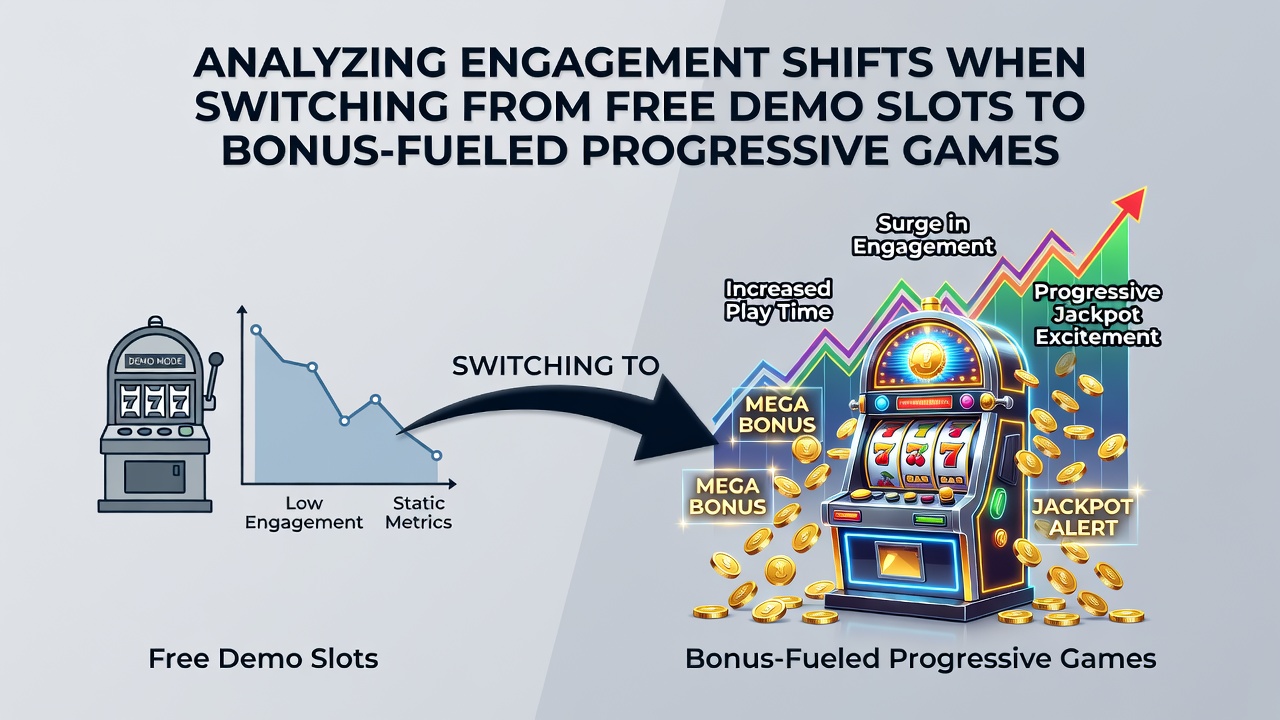
Players often begin their slot experience with free demo versions that allow unlimited spins without financial risk, yet data collected across multiple platforms indicates measurable changes once individuals move into bonus-fueled progressive games where jackpot pools accumulate across networks. Researchers tracking session lengths report that average playtime extends by 18 to 25 minutes per session after the switch because accumulating prize pools create visible momentum that demo modes lack, while bonus rounds trigger more frequent interactions with the interface through multipliers and free spin sequences.
Studies conducted by independent analytics firms show that conversion rates from demo to real-money progressive play hover around 12 percent in markets where regulations permit such transitions, and those figures rise when operators highlight jackpot meters that update in real time. Observers note that the visual feedback of growing progressive totals functions as an engagement anchor, drawing attention back to the screen even during periods of lower win frequency compared with the steady but capped outcomes found in demo environments.
Mechanics Driving the Transition
Demo slots replicate core reel mechanics and paytable structures without linking to shared prize pools, so players experience isolated outcomes that reset with each session. Progressive titles, by contrast, connect individual machines or online instances to a central meter that grows through contributions from every wager placed across participating sites, and this shared accumulation alters perceived value because one spin can theoretically access rewards far exceeding anything available in free play. Data from platform logs reveal that players who spend at least 30 minutes in demo mode before switching demonstrate higher initial bet sizes once they enter progressive games, suggesting that familiarity gained without cost translates into quicker comfort with larger stake levels when real money enters the equation.
Bonus structures layered on top of these progressives further modify behavior because they often include escalating reward tiers that unlock additional features such as expanding wilds or retriggerable spins. Analysts examining user flow data find that the presence of these layered bonuses correlates with a 40 percent increase in the number of spins completed within the first hour after the switch, compared with sessions that remain in non-progressive titles. The combination of accumulating jackpots and bonus triggers therefore creates a feedback loop where each spin carries dual potential for immediate returns and long-term pool growth.
Regional Data and June 2026 Trends
Figures released through the New Jersey Division of Gaming Enforcement in June 2026 documented a 9 percent month-over-month rise in progressive game handle among players who had previously registered demo accounts, with the largest gains appearing in the 25-to-34 age bracket. Similar patterns emerged in reports compiled by the Australian Communications and Media Authority, where progressive titles linked to bonus campaigns showed elevated retention rates once players crossed the threshold from free to funded play. These regional datasets highlight that engagement shifts are not uniform but respond to local regulatory frameworks that govern how operators may advertise progressive meters and bonus eligibility.
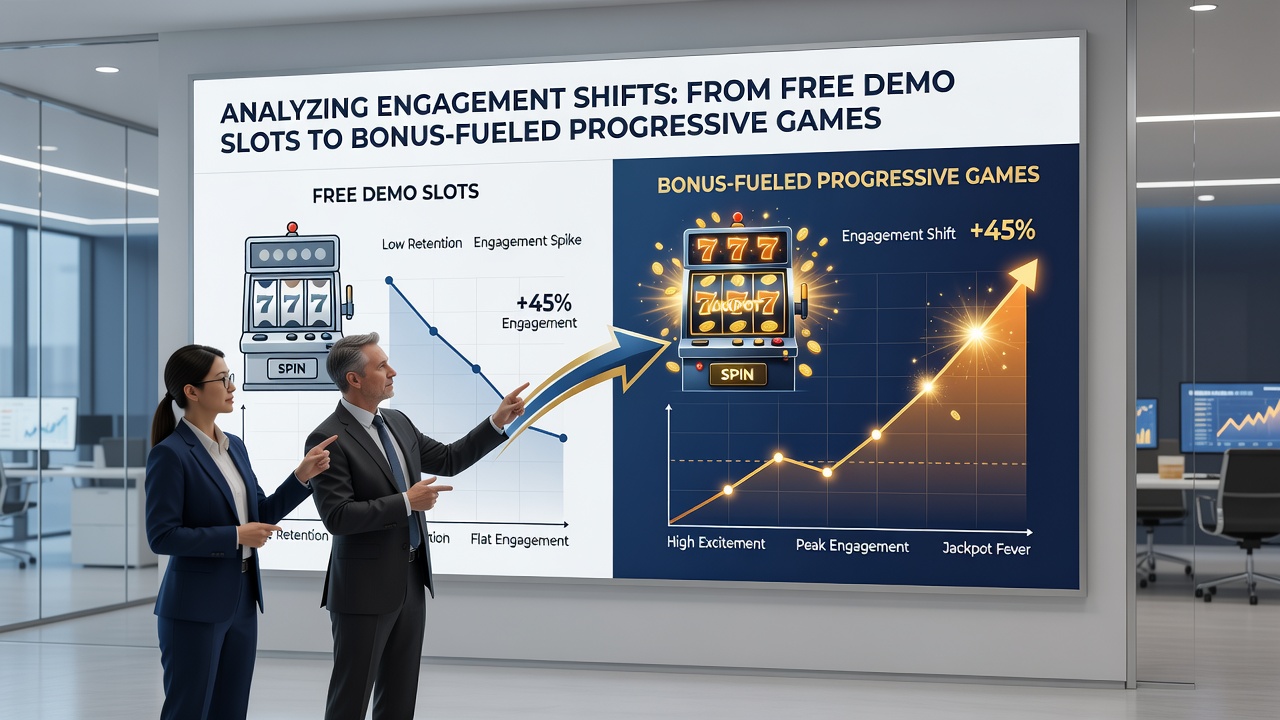
What's interesting is that mobile-specific telemetry collected during the same period indicates shorter but more frequent sessions when players move from desktop demo play to mobile progressive games, because push notifications about jackpot growth prompt quicker returns to the app. Researchers at the University of Nevada's gaming research center compiled these mobile patterns into a comparative study that contrasted demo session heatmaps with funded progressive activity, revealing concentrated interaction spikes around bonus trigger events that do not appear in free-play environments.
Factors Influencing Sustained Engagement
Multiple variables shape whether the initial engagement boost persists after the switch, including the size of the progressive seed, the frequency of bonus activations, and the clarity of rules governing how contributions feed the shared pool. Platform operators that publish transparent contribution percentages tend to retain players longer because users can calculate potential returns and adjust strategies accordingly, whereas opaque systems see faster drop-off once early bonus rounds conclude without a major payout. Case examples from development studios show that titles incorporating both progressive elements and tiered bonus ladders maintain higher average revenue per user in the weeks following a player's first funded session, compared with progressives that rely solely on the jackpot meter for appeal.
External industry reports from the Canadian Gaming Association further indicate that educational prompts displayed during the demo-to-funded transition, such as explanations of how bonus eligibility scales with bet size, reduce early churn by guiding players toward bet levels that align with their original demo habits. Those prompts appear most effective when presented as optional overlays rather than forced interruptions, allowing individuals to maintain control over their learning curve while still accessing the accumulating rewards that define progressive gameplay.
Conclusion
Tracking engagement across the boundary between free demo slots and bonus-fueled progressive games reveals consistent patterns of extended session duration, elevated spin counts, and increased interaction with interface elements once jackpot accumulation and bonus features become active. Regional data gathered through June 2026 underscore that these shifts respond to both mechanical design choices and regulatory environments, while mobile telemetry adds another dimension by showing how notification systems and portable access further influence return frequency. Continued analysis of these transitions provides operators and developers with measurable benchmarks for refining the handoff process between trial and funded play.