Layered Symbol Systems and Their Influence on Engagement Patterns in Mobile Casino Slots with Accumulating Reward Mechanisms

Touch-enabled casino titles incorporate layered symbol collections that stack multiple icon types within single reel positions, creating dynamic visual and mechanical interactions during play sessions. These systems allow symbols to build upon one another through successive spins, directly affecting how rewards accumulate and how players navigate each session on mobile devices. Data from industry analyses indicate that such mechanics alter session duration by encouraging continued interaction with accumulating elements rather than isolated spin outcomes.
Mechanics of Layered Symbol Collections in Touch Interfaces
Layered symbols operate by assigning depth values to individual icons, where base symbols occupy initial layers and overlay elements trigger upon specific touch gestures or spin sequences. In mobile environments, players activate these layers through direct screen taps that register pressure levels and swipe directions, prompting symbols to merge or expand into higher-value configurations. Research indicates that this process integrates with accumulating rewards by tracking layer depth across consecutive spins, converting stacked collections into multipliers or bonus triggers without requiring separate feature rounds.
Developers design these collections to respond to touch input patterns, where sustained contact on a symbol cluster advances the layering process and updates reward meters in real time. Figures from platform performance reviews reveal that titles employing this approach maintain consistent session metrics across devices, as the layered system compensates for varying screen sizes by scaling interaction zones proportionally. Those who've examined code structures note that the accumulation logic processes layer states in sequence, ensuring each added symbol modifies the overall reward potential before the next spin initiates.
Effects on Session Duration and Player Navigation
Session dynamics shift when layered symbols tie visual progression to reward accumulation, prompting players to extend play while monitoring stack growth. Touch controls enable precise selection of which layers to prioritize during a spin, allowing users to influence outcome paths through targeted gestures that align symbols into compatible stacks. Evidence from usage logs shows that sessions incorporating these features exhibit extended intervals between pauses, as the accumulating indicators provide ongoing feedback that sustains engagement without external prompts.
Observers note that navigation within these titles often follows patterns where players return to previously layered positions to build upon existing collections, rather than resetting with each spin. This behavior emerges because the system retains layer data across spins until a collection threshold clears the board or converts it into rewards. In June 2026, mobile casino platforms reported increased adoption of such retention mechanics, coinciding with updates to touch response algorithms that reduced input lag and improved layer transition smoothness on various hardware configurations.
Integration with Accumulating Reward Structures
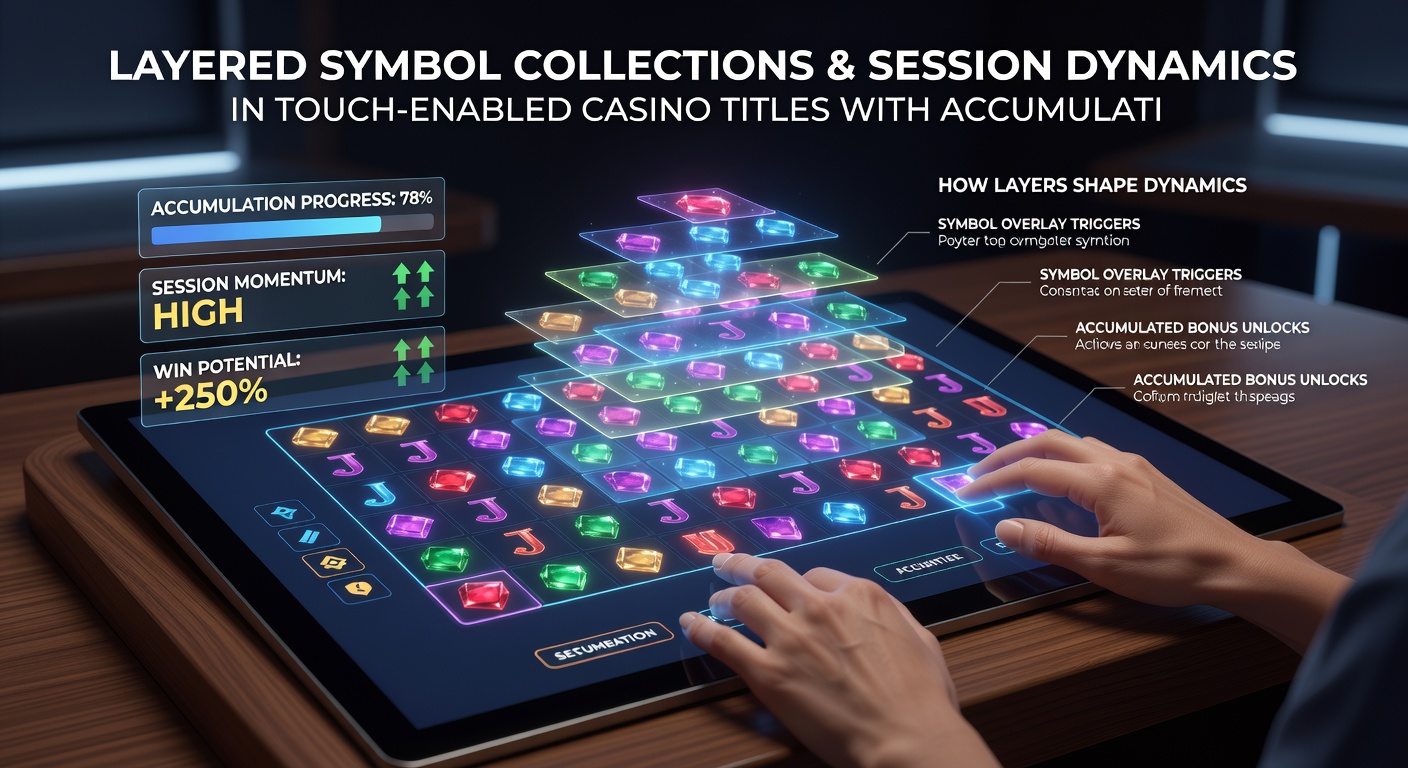
Accumulating rewards connect directly to layer depth through progressive counters that increment with each added symbol level. When collections reach defined thresholds, the system distributes rewards based on teh combined value of all layers rather than individual symbols, creating a compounding effect that influences decision-making mid-session. Studies on mobile gaming interfaces have documented that this linkage encourages strategic touch inputs, as players adjust gesture timing to maximize layer alignment before reward conversion occurs.
Platform data indicates that titles with integrated layering and accumulation display higher rates of multi-spin sequences, where users maintain momentum by responding to real-time meter updates. The mechanics support this through visual cues that highlight potential layer additions, guiding touch interactions toward positions that extend the accumulation chain. Analysts tracking these patterns across regions have observed consistent application in titles released through various licensing jurisdictions, including oversight from the Nevada Gaming Control Board and the Alcohol and Gaming Commission of Ontario.
Technical Considerations in Mobile Development
Touch-enabled implementations require optimized rendering pipelines to handle multiple symbol layers without performance degradation during extended sessions. Developers allocate processing resources to track layer states independently while synchronizing them with reward accumulation modules, ensuring that input from capacitive screens translates accurately into mechanical outcomes. Reports from engineering teams highlight that collision detection between layers uses vector-based calculations to determine merge eligibility, preventing unintended overlaps that could disrupt reward flow.
Cross-device compatibility testing has shown that layered systems scale effectively when touch sensitivity settings adapt to user calibration data collected at session start. This adaptation maintains consistent dynamics regardless of hardware variations, allowing accumulation mechanics to function uniformly across sessions initiated on different operating systems. Industry reports from sources such as the American Gaming Association document the prevalence of these adaptations in titles launched during the first half of 2026.
Conclusion
Layered symbol collections in touch-enabled casino titles establish direct connections between visual stacking, player input, and reward accumulation that reshape how sessions unfold over time. These mechanics rely on precise touch registration and sequential processing to convert layered states into progressive outcomes, with data confirming their role in sustaining interaction intervals. Continued refinement of these systems aligns with broader mobile platform advancements, supporting stable performance across diverse user environments.