How Customized Sound Environments Affect Session Lengths in Licensed Online Casino Platforms
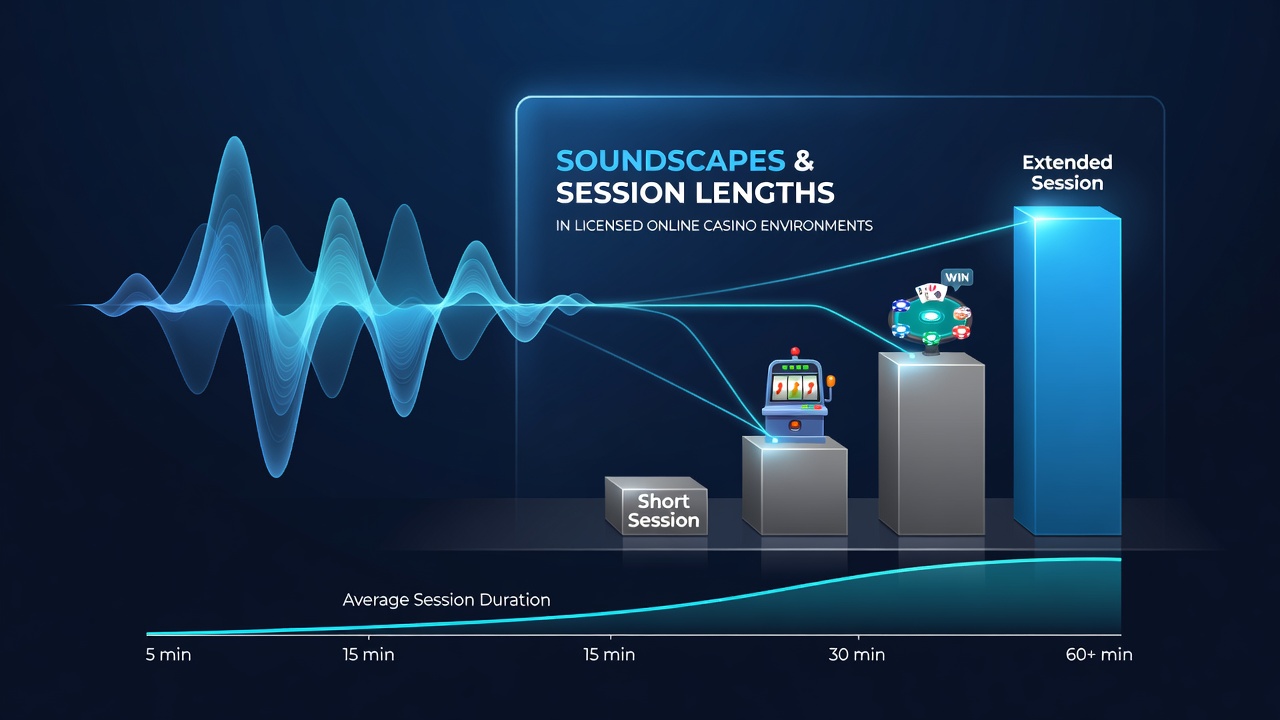 Sound design in licensed online casino environments incorporates layered audio elements that range from ambient background tracks to synchronized reel spins and win notifications, and these components interact with player behavior patterns in measurable ways. Research from multiple jurisdictions indicates that specific audio frequencies and tempos align with extended interaction periods, while abrupt or mismatched sound cues correlate with shorter sessions. Data collected across platforms operating in regulated markets shows consistent trends where music pacing influences the pace at which users initiate new rounds. Operators integrate adaptive soundscapes that respond to gameplay progression, such as increasing intensity during bonus rounds or maintaining steady rhythms during base game play. Observers note that these adjustments coincide with session metrics tracked by analytics systems, where average play duration extends when harmonic continuity remains uninterrupted. In contrast, platforms using generic loops without variation often record higher rates of early exits according to internal performance logs reviewed in 2026.
Core Components of Casino Audio Design
Audio frameworks in these environments combine several distinct layers that function together. Background music typically operates at tempos between 60 and 120 beats per minute, creating a neutral rhythmic foundation that avoids extreme stimulation. Sound effects tied to symbol combinations and payout animations occupy higher frequency ranges, delivering immediate feedback without overpowering the underlying track. Voiceovers and transitional chimes add another dimension, punctuating key events while preserving overall flow.
Developers adjust these elements based on game mathematics and target demographics. Progressive jackpot titles often feature swelling orchestral builds that activate during near-miss sequences, whereas simpler slot formats rely on repetitive yet unobtrusive loops. Studies conducted through academic partnerships reveal that players maintain longer continuous activity when these layers remain balanced rather than competing for attention.
Measured Effects on Session Duration
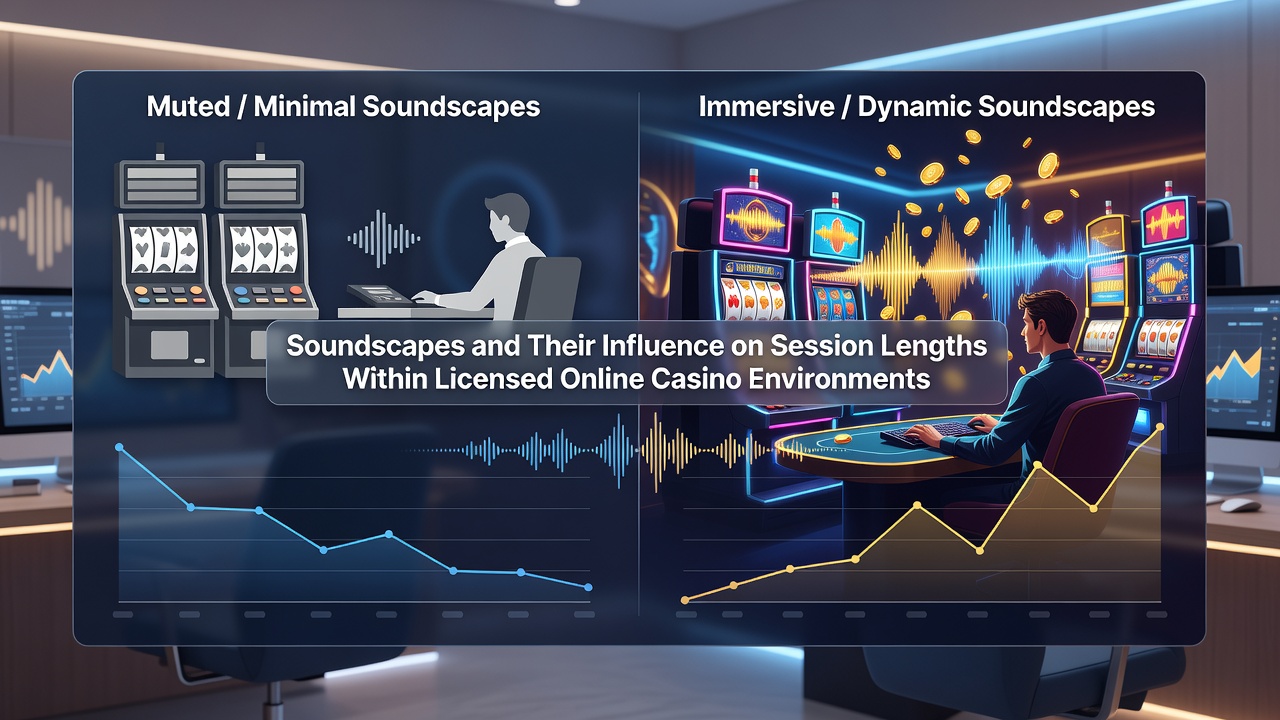
Analytics platforms monitoring licensed operations compile session length statistics segmented by audio configuration. One dataset covering multiple U.S. states active as of June 2026 demonstrates that titles employing dynamic sound modulation retain users for periods averaging 18 to 27 percent longer than static audio versions. The same reports link specific decibel thresholds to retention curves, showing gradual volume increases during winning streaks associate with continued play cycles.
Canadian provincial regulators have documented parallel patterns in their market reviews, where sound-enhanced mobile sessions extend beyond desktop counterparts when haptic feedback pairs with audio cues. European operators reporting through industry associations similarly record elevated engagement metrics in environments featuring context-aware audio engines. These observations stem from aggregated telemetry rather than individual case tracking, providing broad statistical indicators across thousands of accounts.
Regulatory Context and Technical Standards
Licensing authorities in active U.S. states require operators to maintain consistent audio delivery across approved platforms, though specific sound design guidelines remain secondary to fairness and security protocols. The Nevada Gaming Control Board emphasizes transparent system reporting that includes user interface elements, which encompasses audio behavior under load testing conditions. Similar expectations appear in New Jersey Division of Gaming Enforcement compliance documentation, where session integrity verification extends to multimedia components.
Technical standards from organizations such as the American Gaming Association outline best practices for interface stability, indirectly supporting audio optimization efforts. Research institutions including the University of Nevada, Las Vegas International Gaming Institute have published findings on sensory influences within gambling environments, noting correlations between auditory continuity and sustained interaction across digital formats. These publications draw from aggregated operator data rather than controlled experiments, yet they contribute to industry understanding of engagement variables.
Implementation Patterns Across Platforms
Major game providers deploy modular audio systems that allow operators to customize sound profiles without altering core mechanics. This flexibility enables regional adaptations, such as tempo adjustments for markets with different cultural music preferences. Data from deployment logs indicates that localized sound variations produce measurable differences in average session metrics when compared against default configurations.
Real-time analytics dashboards used by compliance teams track these variations alongside other variables like bonus frequency and volatility settings. Patterns emerge where seamless audio transitions during feature activations correspond to reduced session abandonment rates. Conversely, audio glitches or abrupt track changes align with spikes in early terminations according to the same monitoring systems.
Conclusion
Soundscape design represents one measurable factor among several that shape session characteristics in licensed online casino settings. Available data from regulatory reports and industry analyses shows correlations between audio engineering choices and play duration across multiple jurisdictions active through mid-2026. Continued monitoring by operators and oversight bodies will likely refine these understandings as platforms evolve their technical capabilities.