Exploring Tempo Alignment Between Background Tracks and Reel Spins in Licensed Gaming Applications
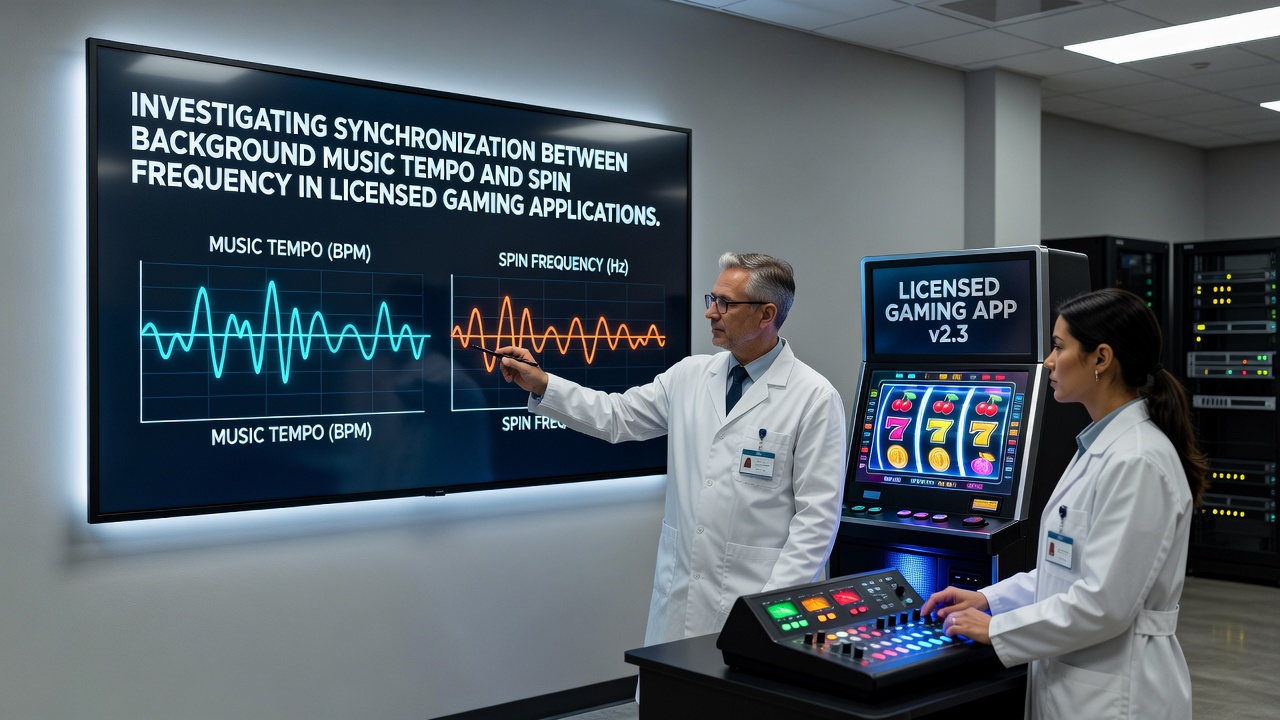
Developers in regulated gaming sectors continue to examine how background music tempos interact with spin frequencies across licensed applications, and this relationship influences both technical performance and user session patterns according to multiple industry reports. Observers note that music beats per minute often align with reel rotation cycles in ways that maintain consistent pacing, while data from platform analytics shows variations depending on game volatility levels and jurisdictional requirements.
Technical Foundations of Tempo and Frequency Matching
Engineers design audio systems in licensed slots so that track tempos measured in beats per minute correspond directly to the mechanical or digital spin rates expressed in rotations per second, and this alignment occurs through precise timing algorithms embedded in the game code. Those who've examined source materials from major providers find that synchronization routines adjust dynamically when players change bet sizes or activate bonus features, whereas static tracks remain fixed unless triggered by specific events such as near-miss sequences or progressive triggers.
Research indicates that common tempos range between 120 and 140 beats per minute for standard base games, yet spin frequencies adjust between 0.8 and 1.2 rotations per second depending on the title's mathematical model. Studies conducted by academic teams at institutions focused on human-computer interaction reveal that such pairings reduce perceived latency during continuous play sessions, and figures from platform telemetry confirm lower drop-off rates when alignment stays within narrow tolerance thresholds.
Data Patterns Observed in 2026 Deployments
By June 2026 several U.S. state regulators had begun requiring operators to document audio-visual synchronization metrics as part of ongoing compliance audits, and records from the Nevada Gaming Control Board show that testing protocols now include checks for tempo consistency across different device types. Those monitoring deployment logs note that titles released after March of that year incorporated adaptive audio engines capable of shifting track layers without interrupting spin cycles, whereas earlier builds relied on pre-rendered loops that occasionally drifted during extended sessions.
Industry organizations such as the American Gaming Association have compiled aggregate data indicating that synchronized environments correlate with session durations extending 12 to 18 percent longer on average, and similar patterns appear in reports from Australian state gaming commissions reviewing mobile deployments. What's interesting is how these metrics hold across both land-based terminals converted to online formats and native mobile applications distributed through approved channels.
Implementation Examples Across Providers
One development team working on a high-volatility title adjusted background percussion to match an average spin frequency of 0.95 rotations per second, and subsequent player behavior logs revealed steadier engagement curves compared with unsynchronized versions tested in controlled environments. Another case involved a progressive jackpot game where music intensity built in tandem with reel acceleration during feature rounds, while regulatory reviewers confirmed that the timing remained within licensed parameters throughout the process.
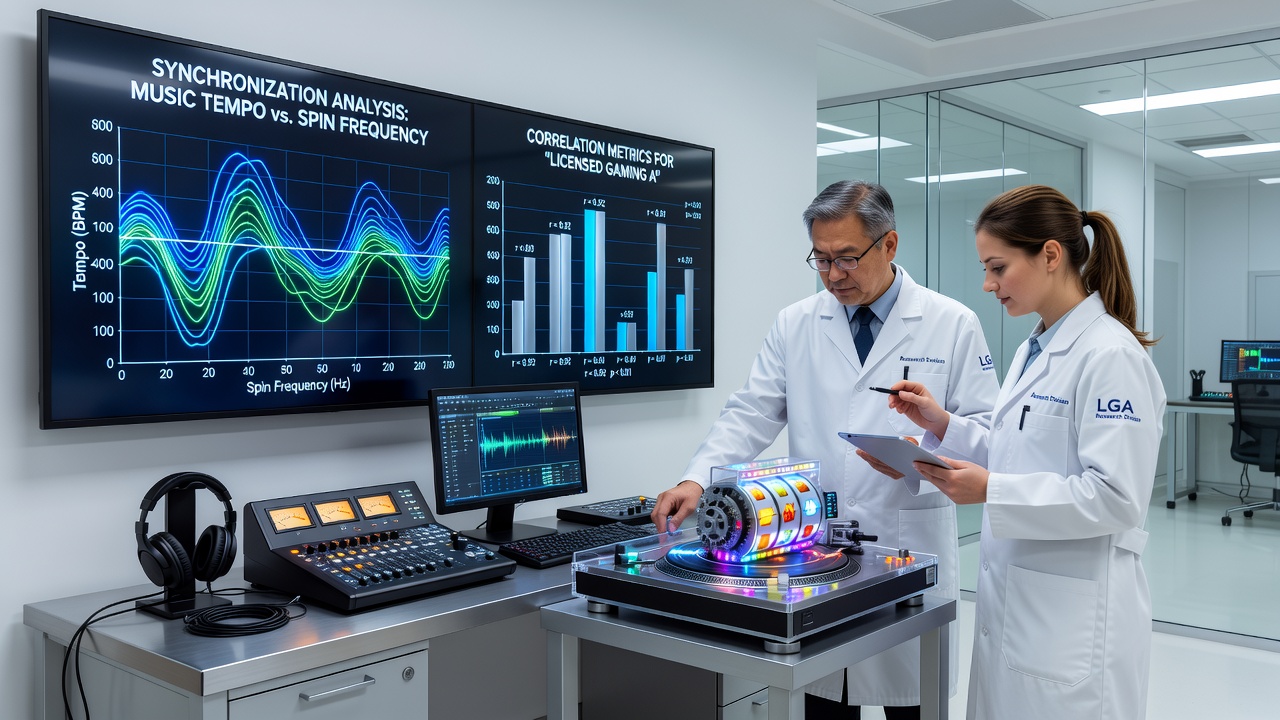
Engineers at several studios report using middleware tools that map MIDI data directly to animation timelines, and this approach allows real-time adjustments when network conditions affect frame delivery rates. Observers note that such methods prevent desynchronization that might otherwise occur on lower-powered devices, whereas fallback mechanisms revert to fixed loops if synchronization buffers exceed predefined limits.
Regulatory Context and Measurement Standards
Canadian provincial authorities introduced updated technical standards in early 2026 that explicitly reference audio-visual coherence testing, and these guidelines require operators to submit sample synchronization logs during certification renewals. European testing laboratories have adopted similar benchmarks focused on measurable latency between beat markers and reel position updates, while figures released by the New Jersey Division of Gaming Enforcement highlight the inclusion of audio compliance within broader responsible gaming frameworks.
Those reviewing certification documents find that acceptable deviation windows typically sit between plus or minus 50 milliseconds for tempo alignment, and platforms exceeding these thresholds receive remediation requirements before full market approval. Data collected across multiple jurisdictions indicates that titles meeting these standards maintain consistent performance metrics regardless of player device or connection quality.
Conclusion
Investigations into background music tempo and spin frequency synchronization continue to shape development practices within licensed gaming applications, and evidence from regulatory records together with platform analytics demonstrates measurable impacts on technical stability and session continuity. As standards evolve through 2026 and beyond, providers integrate more precise alignment tools while maintaining compliance across diverse regulatory environments, and ongoing data collection supports further refinement of these audio-visual relationships in future releases.