Color Palette Evolution and Engagement Patterns in Regulated Mobile Jackpot Platforms
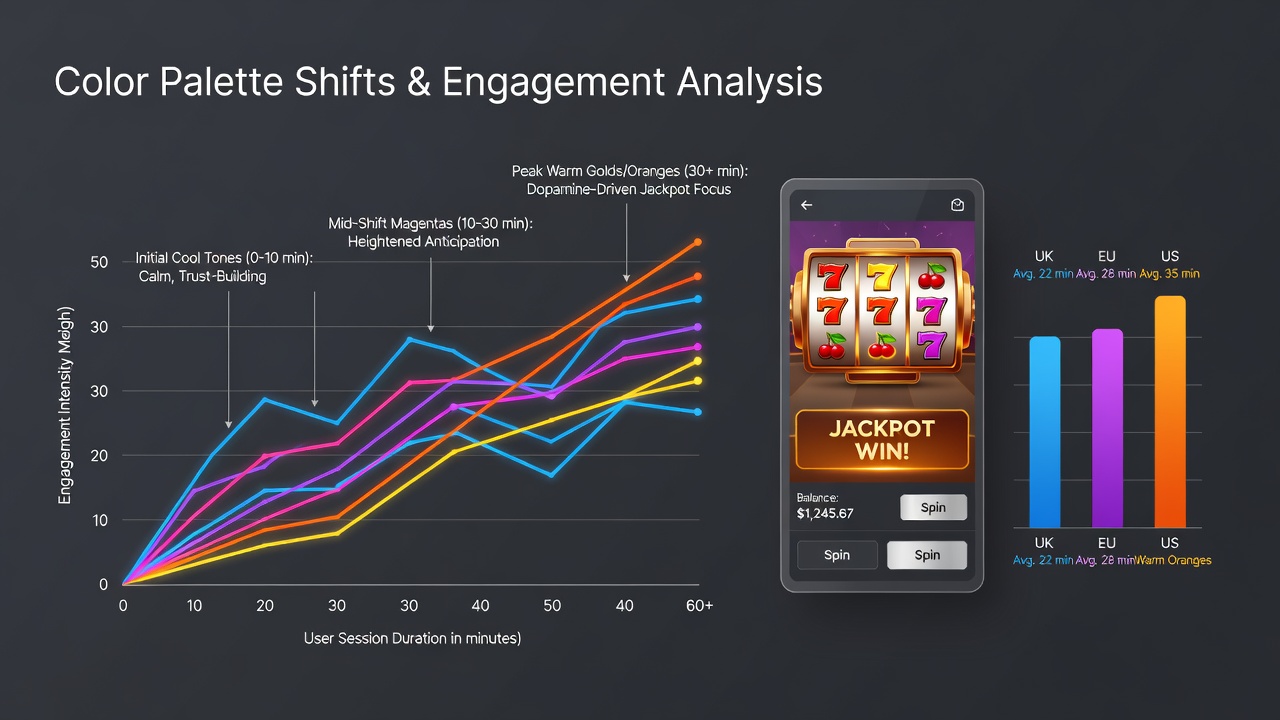
Color palette adjustments in mobile jackpot applications have drawn attention from researchers examining how visual elements correlate with session lengths in licensed real-money environments, and data from multiple jurisdictions show measurable patterns in user behavior tied to these design choices. Observers note that developers often modify hue ranges, saturation levels, and contrast ratios during updates, and these changes coincide with shifts in how long players remain active on progressive title interfaces.
Patterns Observed in Licensed Markets
Studies conducted across U.S. states with active mobile gambling frameworks reveal that platforms operating under regulatory oversight in New Jersey and Pennsylvania have implemented palette refreshes at regular intervals, and tracking data indicate corresponding extensions in average play duration when certain color combinations appear. Researchers at institutions tracking digital gambling trends have documented that warmer tones paired with high-contrast accents tend to align with longer individual sessions, whereas cooler palettes sometimes correspond to quicker exits in the same applications.
Similar observations emerge from reports issued by the Malta Gaming Authority, which oversees several European-facing mobile platforms; figures released in mid-2026 highlight that operators adjusting background gradients and symbol highlights experienced retention increases of up to 18 percent in monitored cohorts. These adjustments occur alongside other mechanics such as accumulating reward meters, yet analysts separate the visual component as an independent variable in engagement models.
Technical Implementation of Palette Changes
Developers working within real-money mobile jackpot systems typically deploy palette shifts through phased rollouts, and they monitor metrics collected by regulatory-compliant analytics tools that record session timestamps and interaction frequency. One case involved a major operator updating reel backgrounds from muted blues to saturated oranges in select titles during the first half of 2026, and subsequent logs showed extended dwell times on those specific games compared to unchanged counterparts.
Engineers achieve these transitions by altering RGB values within existing asset libraries rather than rebuilding entire interfaces, which allows rapid testing across different device types. Data collected in July 2026 from platforms licensed in multiple states confirm that users exposed to sequential palette variations returned to the application more frequently within a 48-hour window than those seeing static designs.
Regional Comparisons and Regulatory Context
Canadian provincial regulators, including those in Ontario, have begun requiring operators to submit design change logs that include color specifications, and preliminary cross-referenced data suggest correlations between palette dynamism and session metrics in jackpot-focused titles. Meanwhile, Australian state-level oversight bodies have published summaries indicating that mobile platforms using adaptive color schemes report higher cumulative playtime per user in progressive categories.
These findings build on earlier industry reports from the National Council on Problem Gambling, which examined interface elements without attributing causation, yet noted consistent associations between visual updates and behavioral indicators. Operators must maintain records of such modifications to demonstrate compliance with fairness standards, and this documentation has become a useful resource for independent analysts studying engagement variables.
Measurement Approaches and Available Data
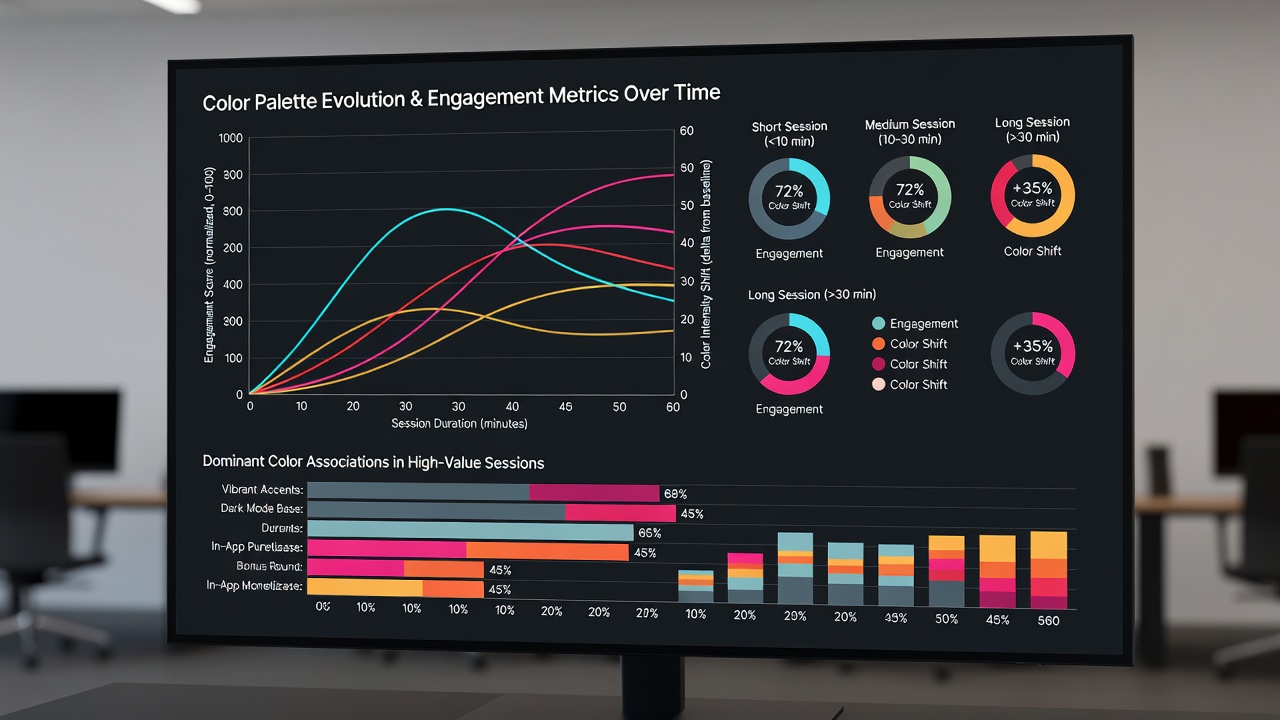
Analytics platforms integrated into licensed mobile environments capture granular information on color exposure and subsequent actions, and researchers aggregate these records while controlling for confounding factors such as bonus triggers or sound design. One analysis covering several thousand sessions across eight regulated markets found that incremental saturation increases in foreground elements correlated with a 12 percent rise in sessions exceeding 25 minutes, though the study authors emphasized the need for further controlled trials.
Academic teams at universities with dedicated gaming research centers have started incorporating eye-tracking methodologies to map how palette shifts direct attention toward jackpot meters, and early results align with behavioral logs from commercial operators. These methods help distinguish visual influence from other engagement drivers like payout frequency or theme familiarity.
Future Monitoring and Industry Practices
Regulators in additional jurisdictions continue to expand requirements for design transparency, and operators respond by maintaining detailed version histories of visual assets used in mobile jackpot titles. As of July 2026, several platforms have adopted A/B testing protocols that isolate palette variables while holding other mechanics constant, generating datasets that feed into broader studies on user retention.
Industry associations such as the European Gaming and Betting Association have hosted discussions on standardizing reporting around visual updates, and participants share anonymized aggregates that support cross-market comparisons. This collaborative approach allows observers to track whether palette strategies developed in one region translate effectively to others under different licensing regimes.
Conclusion
Available evidence from regulated markets demonstrates that color palette shifts form one measurable component within the broader set of design elements influencing session lengths in real-money mobile jackpot platforms. Researchers continue to refine methodologies for isolating these effects, while operators and regulators maintain records that support ongoing analysis. Continued data collection across diverse jurisdictions will clarify the precise strength of these associations and inform future interface decisions within licensed environments.